
FREE CONSULTATIONS
Posted by Jake Finkel on August 21, 2026
Building a Strong Disability Discrimination Case in California: The Evidence Employees Should Keep
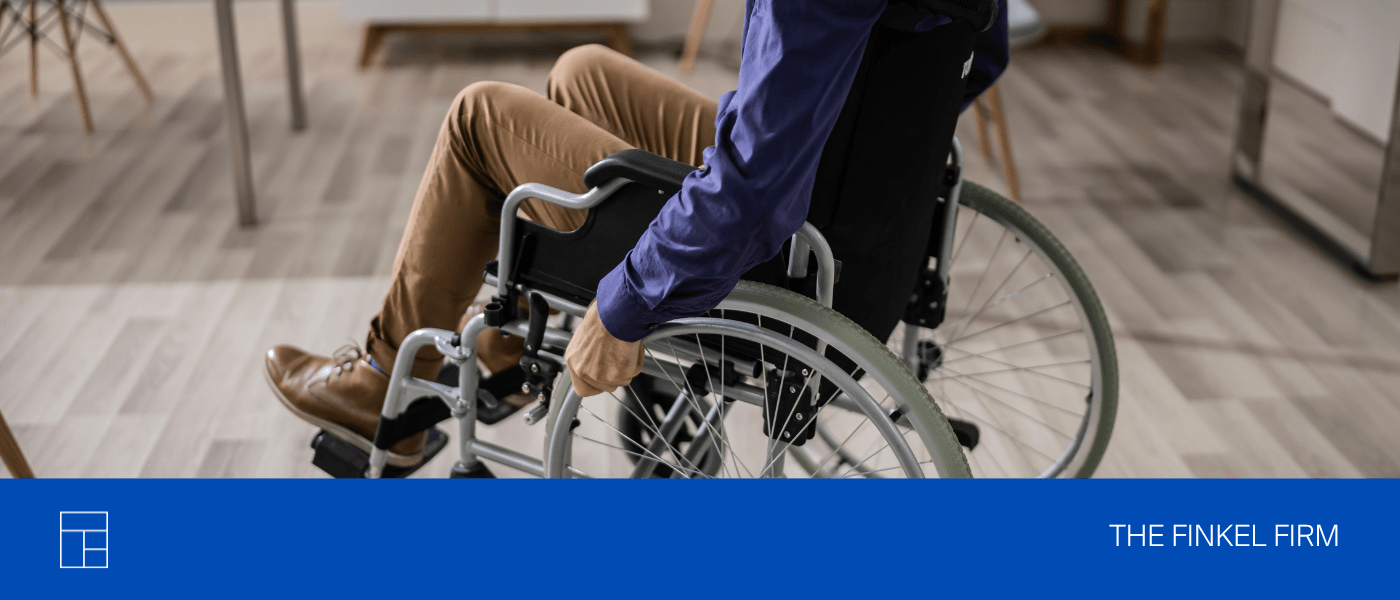
California law provides workers with disabilities with strong protections. An employer cannot discriminate against you due to your disability. If they do, you can file a discrimination claim and seek compensation. But to actually prove your claim, you need clear evidence showing your employer’s actions were related to your disability. The stronger your documentation, the stronger your case.
Why Evidence Matters
Most disability discrimination cases are not about one obvious incident. Usually, there is a pattern: a series of things that happen after your employer finds out about your medical condition.
Strong evidence can help show:
- Your employer knew about your disability.
- You requested accommodations or support at work.
- Your employer responded inappropriately or even punished you.
Memories fade, and stories vary, but documentation creates an objective record of events. With records, it is much harder for an employer to deny what happened.
What Kinds of Evidence Should You Keep?
Here are some types of evidence that can help you prove a disability claim:
Medical Documentation
Medical documentation is a key part of a disability discrimination case. Your health records can explain your condition and any work limitations.
Make sure to save things like:
- Doctor’s notes
- Work restriction forms
- Return-to-work notes
- Medical leave paperwork
These documents help show your employer was informed about your condition and your needs.
Emails and Written Messages
Written correspondence is often among the most valuable evidence in disability discrimination cases. You should preserve communications involving:
- Accommodation requests
- Conversations with supervisors or HR
- Texts or messages about your work situation
- Formal complaints about workplace treatment
Because such communications come with dates and times, they can help establish a timeline of what really happened.
Accommodation Requests and Employer Responses
In California, employers are required to consider and respond to reasonable accommodation requests.
Collect:
- Copies of your accommodation requests
- HR forms or paperwork you filled out
- Supporting notes from your doctor
- The employer’s approval or denial notes
Performance Reviews and Disciplinary Records
Work performance records can help show how things changed after your disclosure.
You should retain:
- Performance reviews
- Attendance logs
- Productivity reports
- Written warnings
- Performance improvement plans
If your reviews were positive before you shared your disability but took a sudden turn afterward, those papers can help reveal inconsistencies in your employer’s explanation.
The Importance of Timing
The order of events is crucial in these cases. For instance, if you request accommodations and are soon thereafter disciplined, demoted, or terminated, the sequence of events can suggest a connection. Keeping a timeline can help show patterns you might otherwise miss.
Witnesses and Workplace Comparisons
Colleagues at work may have observed or heard things that can support your story. Colleagues might confirm:
- Discriminatory remarks
- Unfair treatment
- Ignored medical restrictions
- Changes in management’s attitude
It also helps to note when other employees without disabilities were treated better in the same situation.
Do Not Wait to Save Evidence
Evidence can disappear quickly. For instance, emails may be deleted, paperwork may get lost, and memories may fade. If you suspect discrimination, start preserving information right away. Taking a few simple steps early on can make a big difference in protecting your rights and building a strong case.