
FREE CONSULTATIONS
Posted by Jake Finkel on April 13, 2026
When Employers Ignore Medical Needs: What Workers Can Learn From a High-Profile Analyst Lawsuit
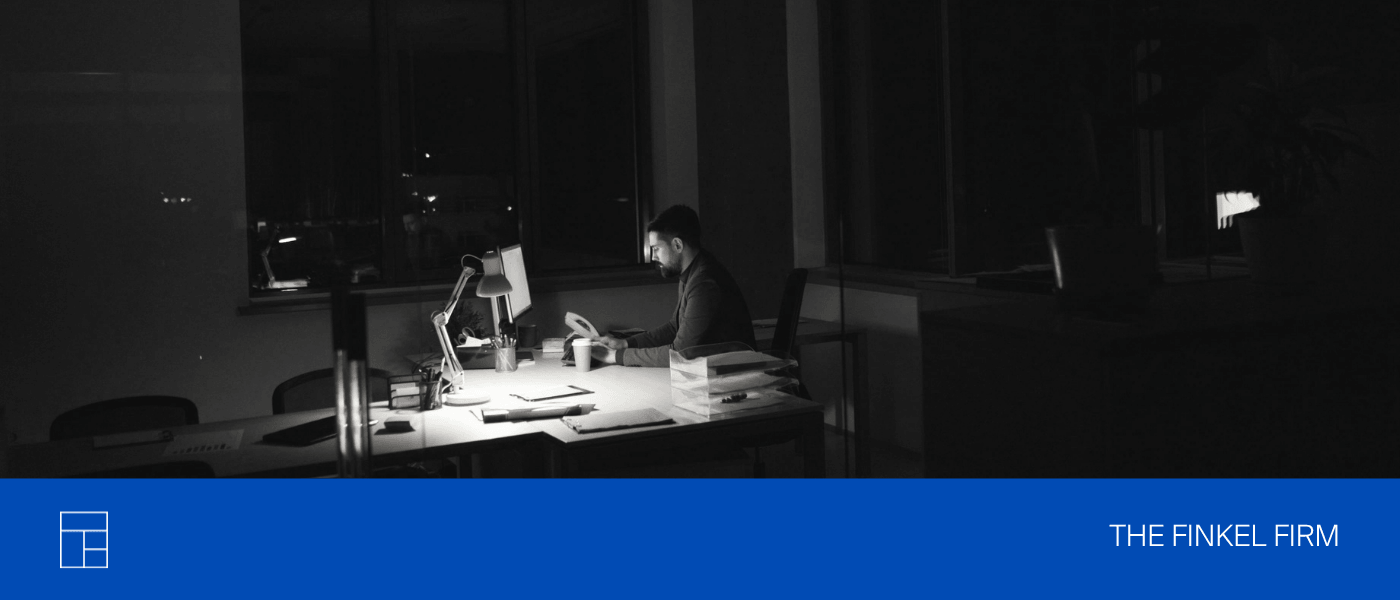
Long hours and heavy workloads are common in many industries. However, when a job interferes with an employee’s medical needs, the law may require employers to intervene and make reasonable accommodations. A recent lawsuit involving a former investment banking analyst shows how disputes over work schedules and health issues can escalate into serious legal disputes.
This case serves as a crucial reminder for employees in California and throughout the nation. If a medical condition affects your ability to work in certain ways, you might have legal protections.
A Lawsuit Over the Need for Sleep
The case involved a young analyst who worked for the investment bank Centerview Partners LLC. Shortly after starting the job, she informed the company that she had mood and anxiety disorders that required her to maintain a consistent sleep schedule of at least eight hours per night.
As per the lawsuit, the analyst was initially granted an accommodation that allowed her to log off work between midnight and 9 a.m. However, approximately a month later, her supervisors allegedly informed her that the arrangement was not working. She was terminated just ten weeks into a three-year analyst program.
The employee filed a lawsuit alleging that she was wrongfully dismissed after seeking medical accommodation. She pursued $5 million in damages. The case was set to go to trial before the company eventually opted for a settlement.
Understanding the Right to Reasonable Accommodations
Employees with specific medical conditions may be protected under disability discrimination laws. These laws typically require employers to offer reasonable accommodations when a medical condition hinders a worker’s ability to perform job responsibilities.
A reasonable accommodation refers to a modification to the work environment that allows an employee to perform their job effectively. Examples of such accommodations may include:
- Adjusted work schedules
- Remote work arrangements
- Modified duties
- Additional breaks or rest periods
In the above case, the dispute focused on whether a consistent sleep schedule was compatible with the essential functions of the job.
The Pressure of Workplace “Grind Culture”
The lawsuit also drew attention to the intense work culture that can exist in some industries. The analyst alleged that employees were expected to work extremely long hours, sometimes continuously across multiple days without rest.
This type of work environment has been widely discussed in recent years. In fact, concerns about excessive workloads have led some large financial institutions to set limits on the number of hours junior employees can work each week.
What This Case Means for You
This case shows that employees have the right to protect their health at work. If a medical condition affects your job, you can request reasonable accommodations, such as adjusted hours or breaks. Always inform your employer clearly of your needs and keep records. The law is on your side, and you don’t have to accept unfair treatment. Speaking up can help you stay safe, healthy, and protected at work.